
Endless escalation, with no plan in sight
America is rushing ground troops towards Iran. This will backfire on energy markets. The longer the war continues, the greater the game-changing benefits to China and Russia.
Commercial Topics: American energy policy, Russian escalation options, power and energy infrastructure in the GCC, economic recovery, European political stability, shipping (paywalled).
The USS Boxer and the USS Tripoli amphibious ready groups are being moved towards Iran, carrying around 5,000 Marines. There are also reports that the 82nd Airborne is close to being activated, with another 4,000-5,000 soldiers. All these forces are specialised in assaulting hostile shores.
Meanwhile, Trump is threatening to destroy Iranian power infrastructure, leading to threats of retaliation from Iran.
In reality, there is NO WAY for the Americans to re-open the Strait of Hormuz except through a deal with Iran. This is why Trump is escalating his threats, and saying that he would strike Iran’s power infrastructure within 48 hours.
Ground operation?
The Trump administration is reportedly considering using ground troops to seize Iran’s Kharg Island, where most of its oil export capacity is located, or to open the Strait of Hormuz by seizing islands and territories around it, or a combination of both.
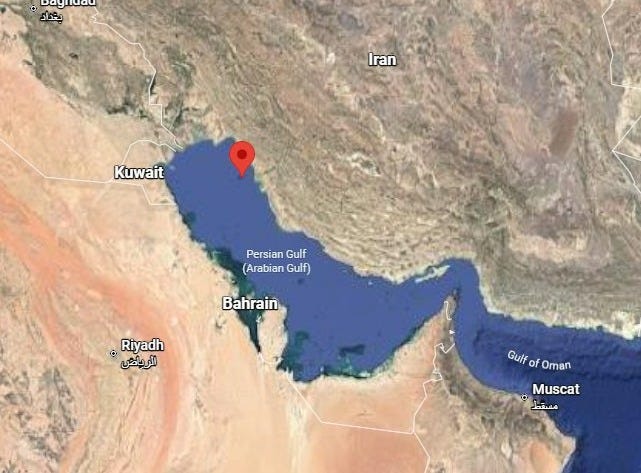
We try to avoid using strong language, but, we must say that sending ground forces is delusional. We do not dismiss the possibility that it would be attempted, but we do dismiss the possibility of success, for the following reasons:
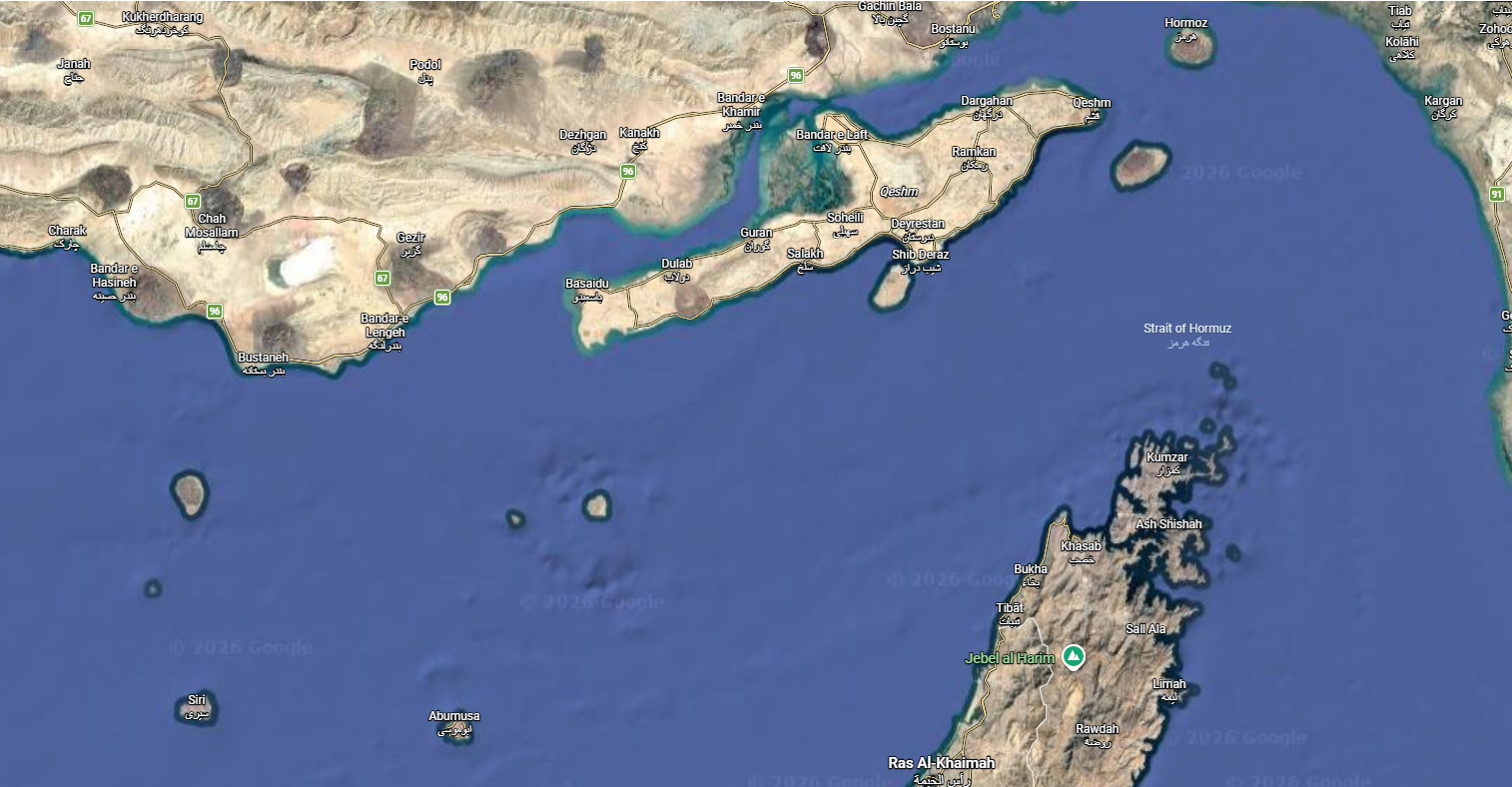
Hormuz contains several islands, as per the map below. Each is equipped to attack ships and defend itself, and each will require its own separate and lengthy operation to capture and neutralise it. In WWII, islands of comparable size required tens of thousands of men to capture.
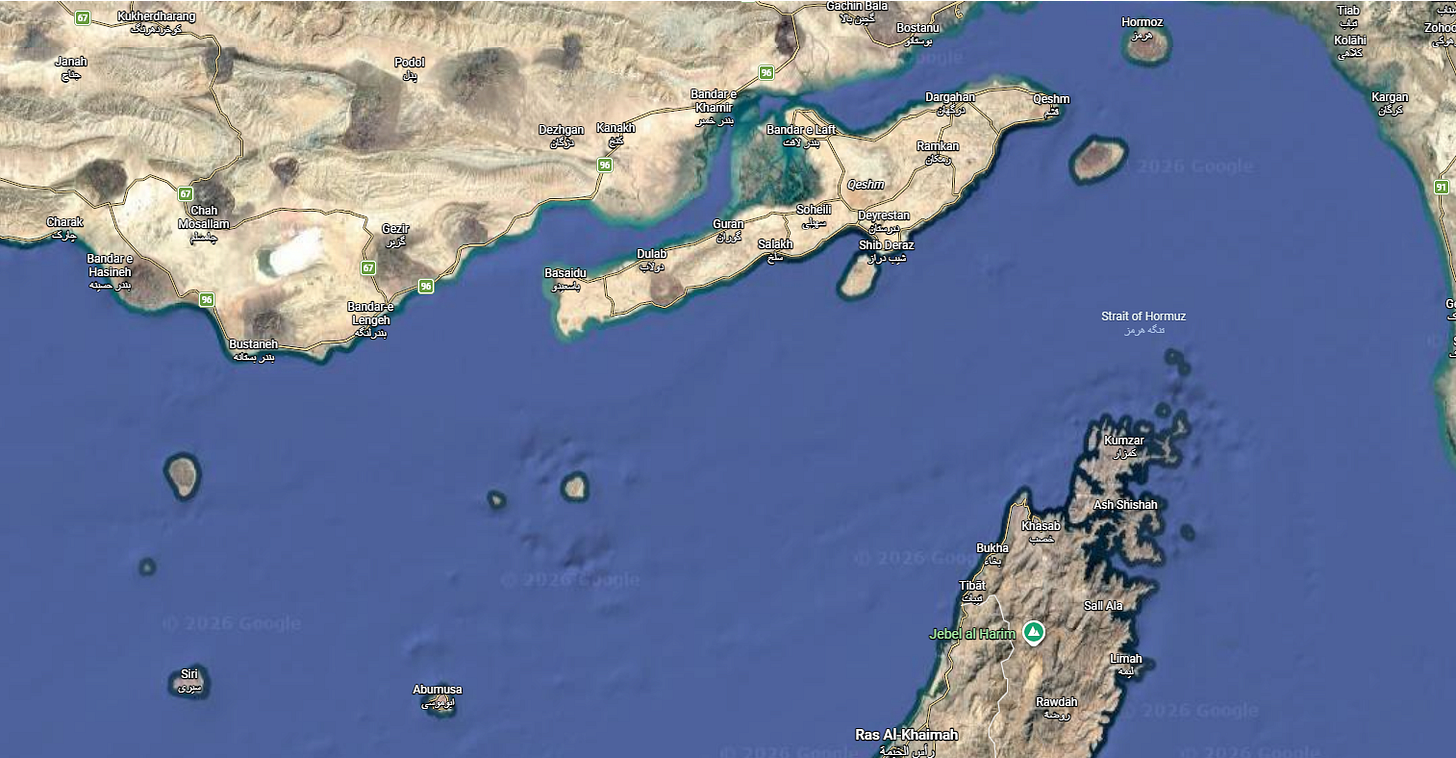
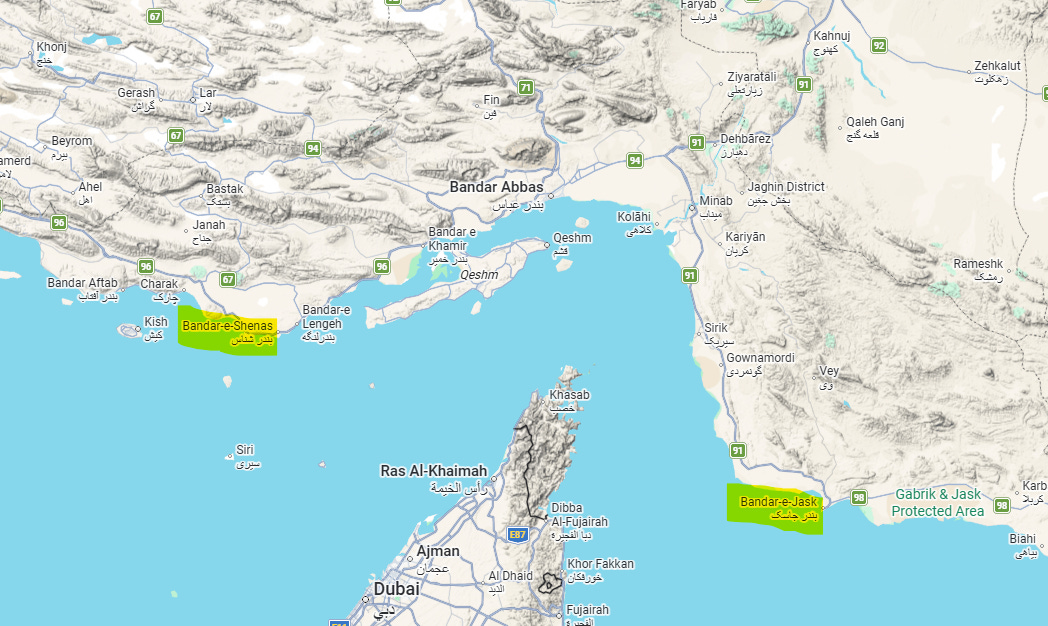
Each of these islands will require a separate and lengthy operation to capture and neutralise it. Securing Hormuz would require not just neutralising these islands, but also the entire surrounding mountainous area. This is another incredibly costly adventure, where every winding road, every cave, every valley, is a potential ambush site or a location where IEDs can be deployed. It will not be enough to conquer the coastal strip between Shenas and Jask (map below), as the hinterlands will be used to launch an insurgency. Drones, missiles, fishing boats with sea mines, and naval drones can be launched from anywhere in that entire area, and can be used to attack ships with minimal cost. The Strait of Hormuz would remain contested even as troops on the ground fight a costly insurgency.
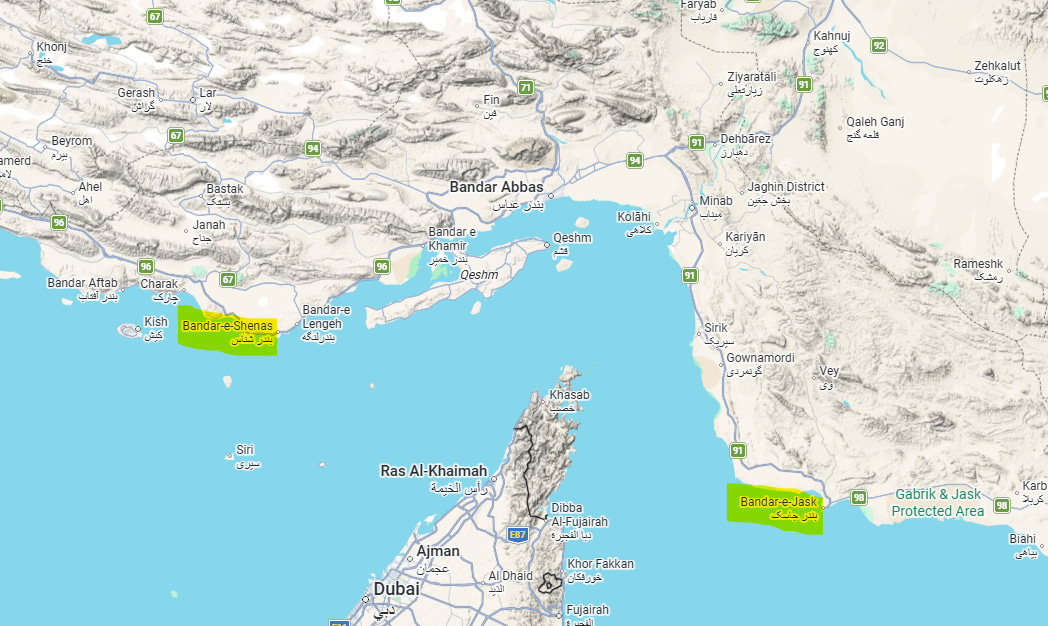
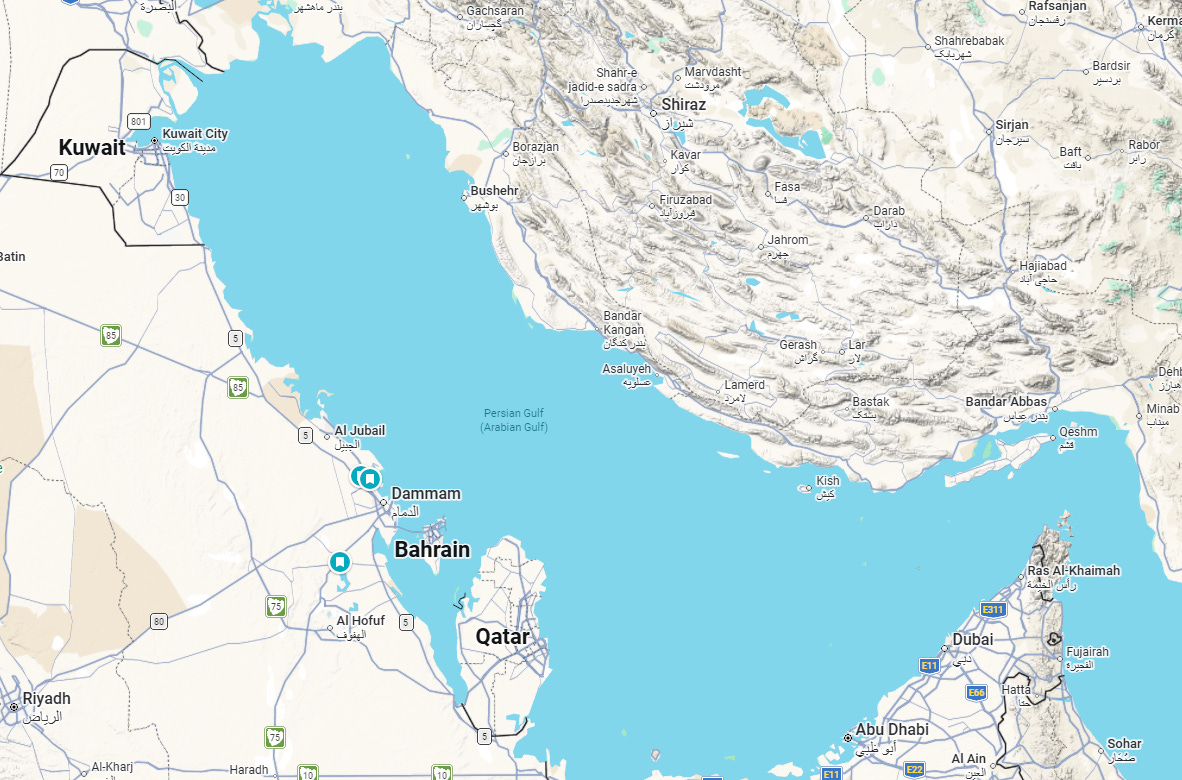
The 400km of coastal territory from Banda Shenas to Bandar Jask would need to be fully controlled to secure the Strait of Hormuz. Assuming that the islands in Hormuz AND the terrain around the Strait are all secured, Iran would still retain the option of attacking any ship in the entire Persian Gulf, especially near Qatar, Kuwait, Bahrain, and Saudi Arabia’s Ras Tanoura oil export terminal. Meaning that the Americans would need to control entire Iranian coastline along the Persian Gulf. Iran does not need to shut down Hormuz - it can attack any ship at sea in the Persian Gulf if it wanted to. Even if Hormuz is opened, the Persian Gulf would become a shooting gallery targeting ships.
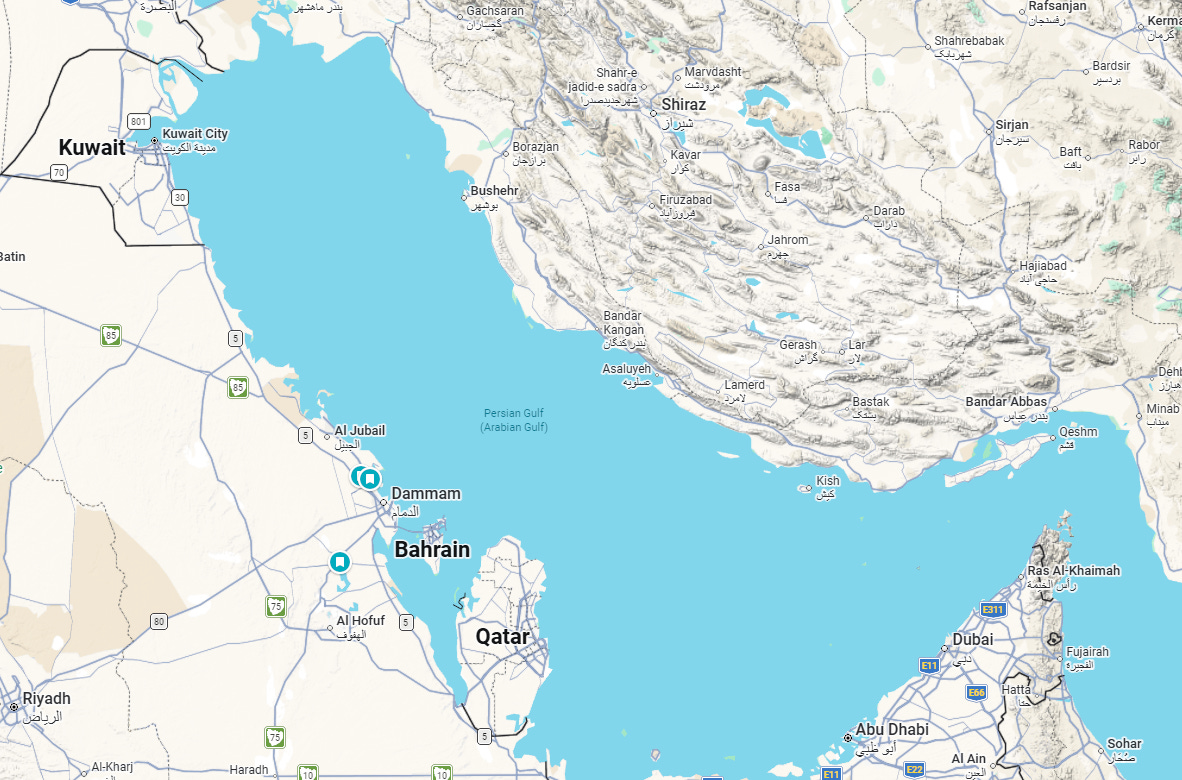
It’s called the Persian Gulf for a reason. Every shoreline and every hill and every building is a potential launch site. Assuming that, miraculously, the Americans secured the islands in the Strait, secured the territory around Hormuz, and secured the territories from Hormuz to Basra, the Iranians would still have the option of firing missiles and drones at every hydrocarbons and refining target in the GCC - at every refinery, processing plant, port, and oil rig. Iran would almost certainly choose to render the Strait of Hormuz irrelevant - by destroying the assets that make it valuable - rather than let the Americans open it by force.
Power infrastructure and Iran’s retaliation capability
After Israel struck in close proximity to Iran’s Bushehr Nuclear Power Plant, Iran retaliated with an attack on Dimona, where Israel’s nuclear programme is located - which includes nuclear weapons. This follows Iran’s successful 19 March attacks on Gulf energy infrastructure like Ras Laffan in Qatar, which were in response to an Israeli strike on Iran’s South Pars Gas Field processing facilities at Assaluyeh.

With this in mind, Trump’s threats to Iranian power infrastructure reflect desperation and the lack of any plan. Both the Trump administration and the leadership of the GCC know that Iran can retaliate in kind to attacks on its power infrastructure. Furthermore, Gulf power supply often is integrated with desalination plants: attacks on Gulf infrastructure can eventually trigger a massive humanitarian crisis and require the evacuation of millions of expatriates.
