
With Iran in disarray due to escalating mass unrest, which, in some parts of the country has turned armed, the timing is perfect for Israel to conduct another strike against Iran.
Furthermore, during his visit to the USA in late December 2025, Israeli Prime Minister Benjamin Netanyahu appears to have received a green light from the USA to strike Iran. The context was around Iran resuming its nuclear programme, but Israel can allege that this is happening regardless. This is especially so since Trump threatened Iran that he would intervene if Iran opened fire at protesters. Iran has indeed done so.
We therefore expect another round of Iran-Israel and perhaps Iran-USA escalation, assuming the protesters don’t topple the regime first, which is an increasingly realistic possibility.
“Re-imagining” regime change
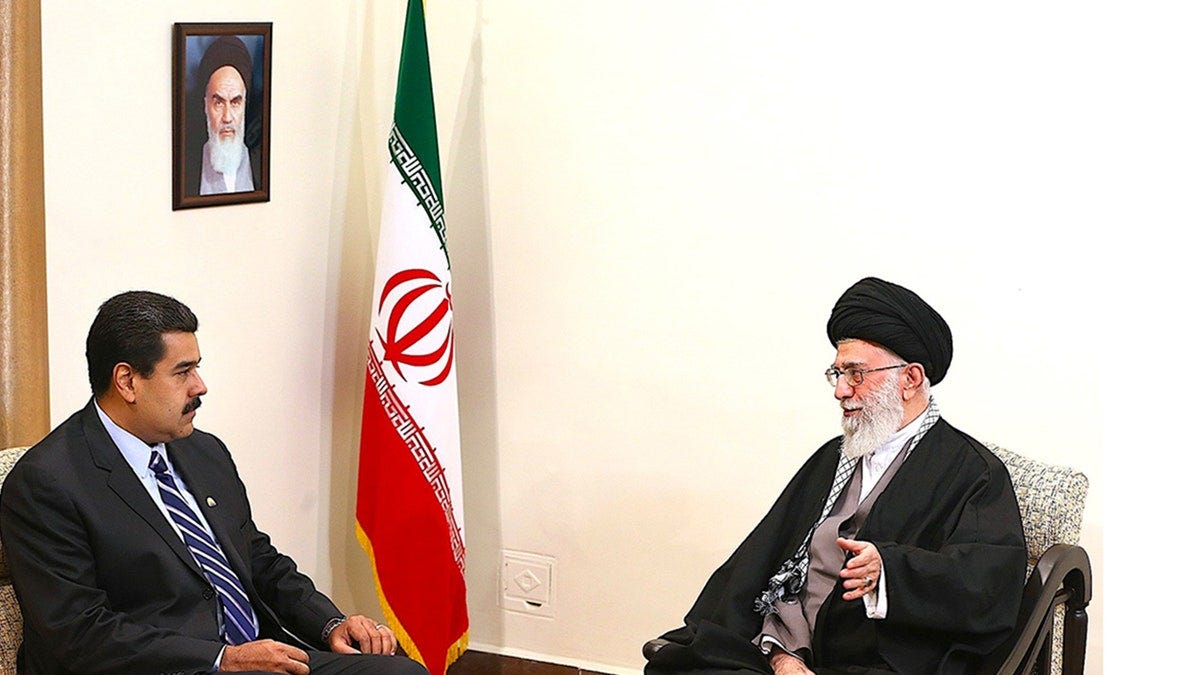
However, the lesson of the Maduro operation is the key consideration: just like in Venezuela, the USA is NOT after personnel change in Iran, but policy change. And that can be achieved if the man at the top is removed. This man is 85-year old Ayatollah Ali Khamenei, and the choice being given to those around him is whether they would rather be buried with him or to continue to rule Iran, but under a different order.
This is precisely the inverse of the Iraq and Libya regime changes: Iraq’s de-Baathification process led to absolute chaos, as the state was purged of all competent leaders and the army was dissolved. The destruction of Libya’s Gaddafi regime and its military led to the same outcome.
Now, under the Trump-Rubio administration, what’s being targeted is the man on top and the ideology animating the regime (hence the decision to blow up Hugo Chavez’ mausoleum in Caracas). The personnel of the regime and the state apparatus may remain in place, as they have so far in Venezuela. They may even serve a different leader, like Reza Shah, or a military nationalist from their own ranks.
A weary revolution
The Iranians are already having to rely on Iraqis to beat up their own protesters, perhaps because their own Basij auxiliary militia is unreliable. They’ve been at this revolution business for 40 years and have gotten nothing but ash in their mouths. They did nothing to avenge Hezbollah Secretary General Sayyid Hassan Nasrallah, who was, after Grand Ayatollah Ruhollah Mousavi Khomeini, the second greatest Shi’a leader in the last century, and perhaps longer.
The regime is still licking its wounds from the last round and they’re facing mass unrest already - the unity that external aggression gave them lasted six months. They’re tired. They appear tired. Their threats ring hollow, their rhetoric is no longer convincing, perhaps even to themselves. The Islamic Revolution has failed.
