
Iran's Ace
The Iranians think they checkmated the Gulf and the USA. But this is only the beginning.
On 30 July, the Egyptian government confirmed that a fire off the coast of Damietta (Dumyat) at an LNG storage tanker (Energos Winter), which spread to another ship called Gaslog Salem, was the result of an attack using a drone.
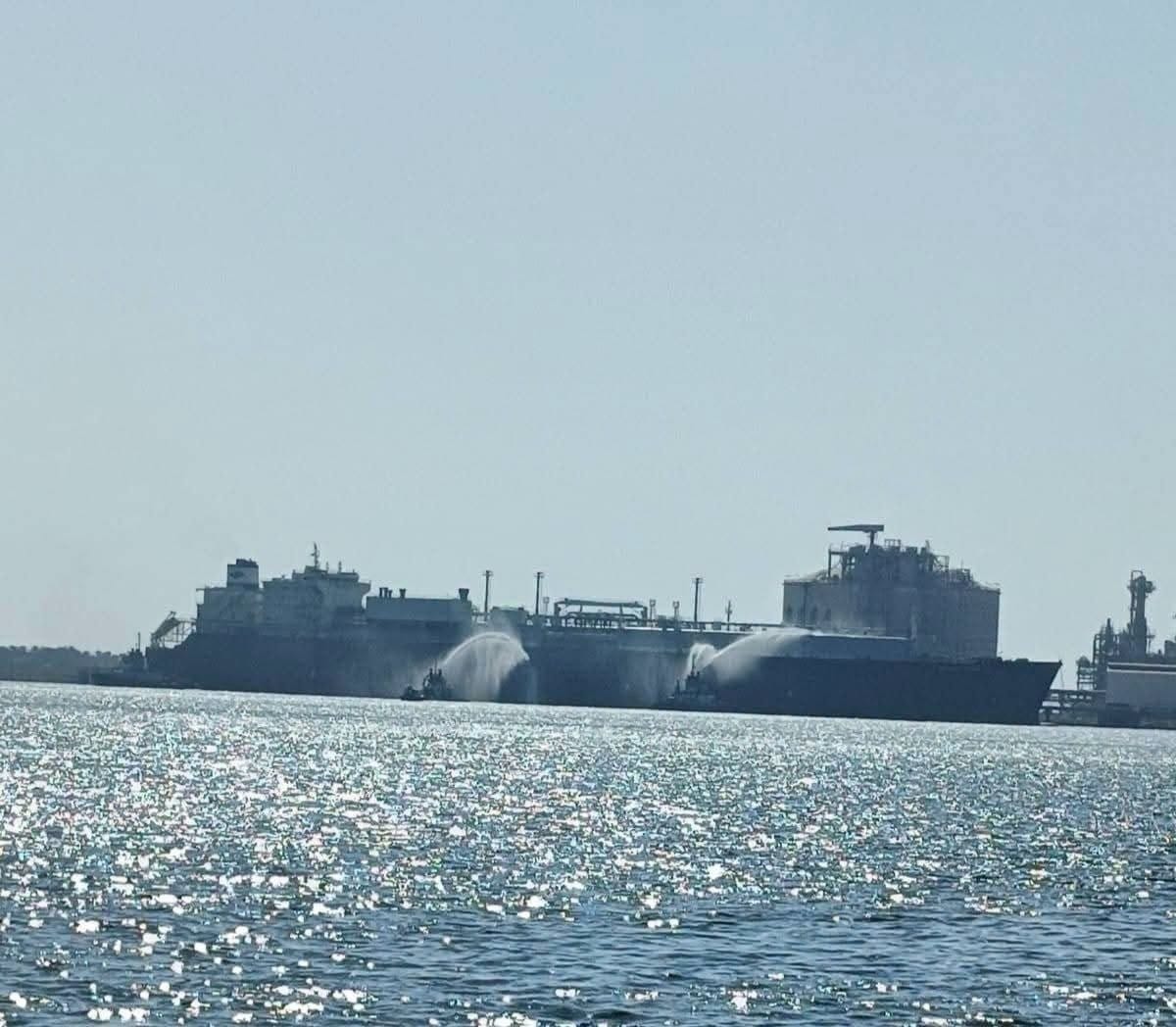
In our view, this was an operation by Islamic Revolution Guards Corps (IRGC) using Hezbollah in Lebanon.
This is a surprising development, and forms part of Iran’s strategy of expanding the war to overstretch the United States, while accepting the risk of greater Sunni unity against Iran, and of pushing Sunni powers closer to the USA and Israel. The Iranians would not have conducted this strike if they could not escalate even further.
Iran is in effect saying that it can take several more steps up the escalation ladder, including:
Attacking ships using drones in the Suez Canal, blocking traffic at least temporarily.
Attacking Sidi Kerir oil storage and loading facilities, the terminus of the SUMED pipeline, which permits VLCC tankers to transit the Suez Canal by offloading in Ain Sukhna and transferring the oil to Sidi Kerir. This would severely reduce oil shipments out of Yanbu’, which they have already attacked. The distance between Lebanon and Sidi Kerir makes highly damaging attacks less likely.
Attacking Ain Sukhna from Yemen using drones and ballistic missiles, again paralysing the oil trade.
Attacking Israeli offshore gas fields and energy terminals in Haifa, Ashkelon, and Ashdod. This is an easy option for Hezbollah, but would be immensely costly for Lebanon. The deepening and increasingly irreconcilable divide between the Lebanese state and Hezbollah makes this more likely, however.
