
Israel's elections: recipe for chaos?
Why only Bibi can rule Israel.
Commercial topics: the value of the shekel, government stability and economic reform, Israel after Bibi, Iran war risks.
Israeli elections are likely to be held in Israel in September 2026, and must be held by 27 October 2026.
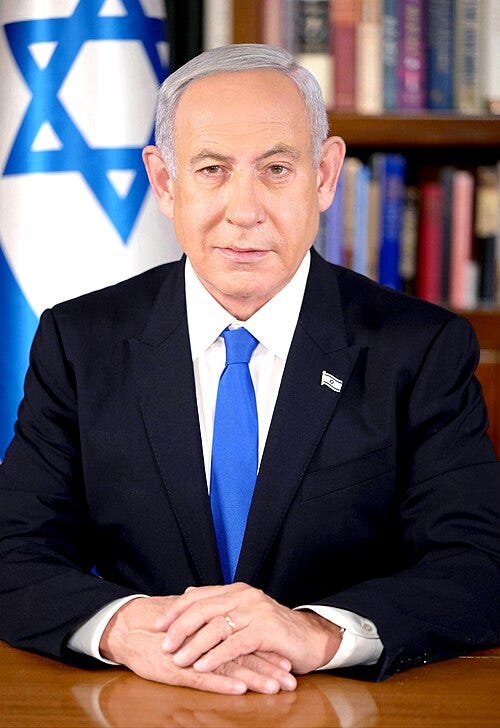
Israeli politics is notorious for its shifting coalitions and unpredictability, and Israeli polls are close and unreliable. The proportional representation system, the low threshold required for parties to enter the Knesset, the ease of forming new parties, the intense petty hatreds among leading politicians, and the presence of multiple single issue parties that coalition builders must include in their alliances, all militate against stable Knesset majorities. This is precisely what makes Israeli Prime Minister Benjamin Netanyahu so remarkable: he has been able to navigate this electoral mess and stay in power to become the longest serving Israeli prime minister, whereas his rivals collectively struggled to keep a coalition stable for longer than a year.
That said, there are a few relevant broad points to keep in mind:
Israel’s military establishment has been consistently shifting to the right for decades. In the 1990s wars against Hezbollah, the military establishment under leftist Prime Ministers Itzhak Rabin and Shimon Perez opted to bombard civilian villages in Lebanon to try to force Hezbollah to capitulate by engineering a humanitarian crisis. The same tactic was used in 2006. Now, the Israeli military is bombarding civilian cities in Lebanon, not just villages and small towns. There is no indication of any moderating influence over Israeli politics or the Israeli security establishment (or over Palestinian politics for that matter, but that’s another conversation).
Israel’s enemies are all wounded but undefeated, and security remains the top concern for the public. Hamas may well attempt to mimic Hezbollah, build up its drone capabilities, and launch another major attack against Israeli soldiers (civilian areas targeted on 7 October 2023 are now insulated, with a military buffer zone in between). Yemen may also launch attacks in support once again. Iran remains defiant.
Israeli Prime Minister Benjamin Netanyahu will campaign on the weakness of his opponents, using their willingness to accept a ceasefire in Gaza in 2024, and their opposition to escalation in Lebanon against Hezbollah. In turn, Netanyahu’s opponents - former PM Naftali Bennet, Netanyahu’s main rival who leads the Beyahad coalition with media personality Yair Lapid - will also attack him from the right, claiming that he failed to guard against October 7, failed to disarm Hamas and Hezbollah because he did not go far enough, and could not end the Iranian threat despite his vaunted relationship with the USA. That is to say, there will be no competition between moderates and hardliners. It is a competition over who can be more hardline. Bennet and Lapid will change nothing in terms of war policy, even if they end up in a coalition with elements of the left.
Even if Netanyahu’s opponents win, they will be find governing differently exceptionally difficult. They will either have to align with Arab parties and the far left, or they will have to rebuild Netenyahu’s secular nationalist-religious coalition, and include Haredi parties like Shas and United Torah Judaism, as well as Itamar Ben-Gvir’s Jewish Power Party.
