
New Iraqi PM-designate
Multiple messages to America, Iran, and Iraqi militias.
Commercial topics: Corruption, KRG oil payments, security risks
Iraq’s Coordination Framework, a body that brings together the various Shi’a parties especially those supportive of Iran, nominated businessman Ali Faleh al-Zaydi (or Zaidi) as the prime minister designate. His nomination resulted from a compromise between current Prime Minister Mohammad Shiya’ al-Sudani and former Prime Minister Nouri al-Maliki, who were both vying for the position.
Ali al-Zaydi
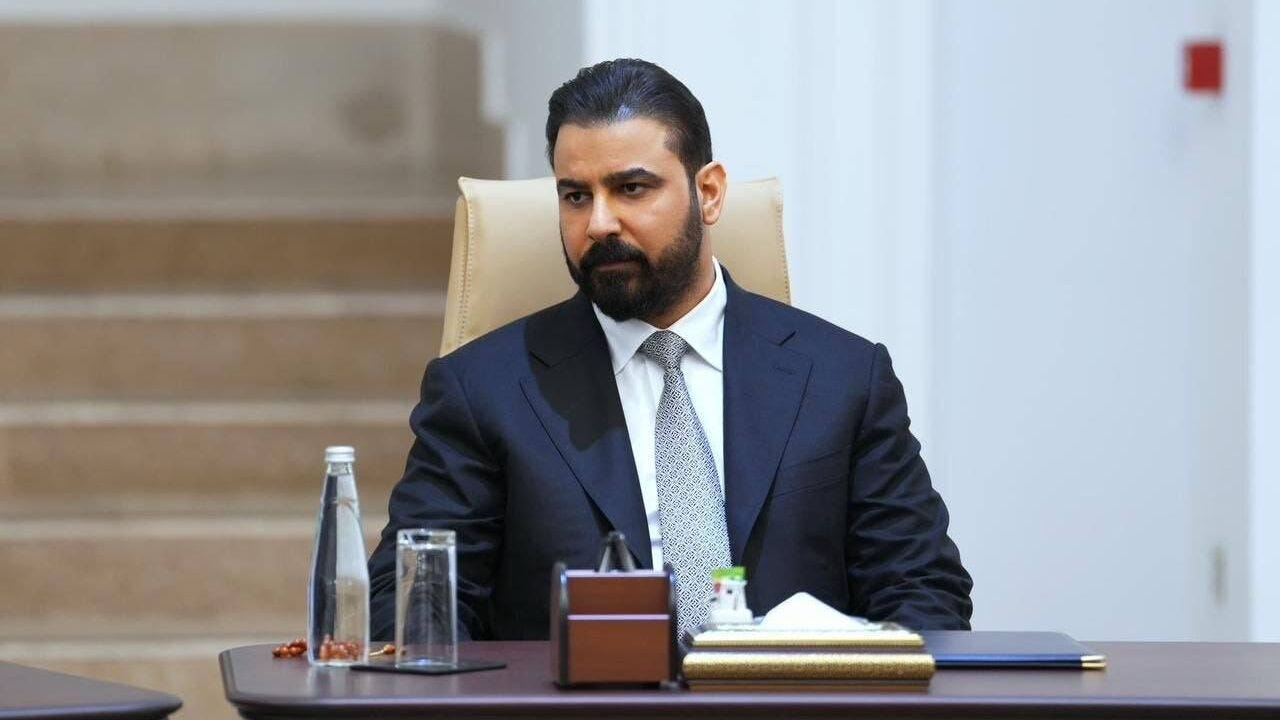
Mr Zaydi, heretofore largely politically unknown, now needs to present a cabinet in the next 30 days. He used to own the now-sanctioned Al Janoob Islamic Bank, according to Al Arabi TV, and currently runs a range of other companies. He has been on the board of the National Holding Company, Ishtar Medical Institute, and Al-Shaab University. He also led Dijlah TV, a popular TV channel formerly owned by the Sunni Karbouli family. This suggests ties across the political spectrum and considerable influence behind the scenes through finance and media. His former bank was banned from accessing dollar auctions through the Iraqi Central Bank following a visit by US Treasury officials to Baghdad, though our search did not find the bank nor Mr Zaydi listed on the OFAC website. Zaidi is also reportedly responsible for the distribution of rations cards, suggesting strong influence over patronage networks.
Credibility and defiance
The USA had been pressuring Iraq with the threat of further sanctions to compel the Iraqi state to distance itself from Iran-backed militias. In reality, these militias now run the Iraqi government. Appointing Zaydi must be seen therefore in the following light:
Maliki and Sudani picked a compromise candidate who lacks an independent power base. Their joint aim is to ensure that a strong PM does not threaten their own interests and powerbases.
By choosing someone relatively unknown, neither Maliki nor Sudani would be especially harmed if he fails to form a cabinet, or if his cabinet fails to meet public expectations. They can then return to their competition over who becomes PM.
By choosing someone almost sanctioned by the USA, they’re telling the Americans that they refuse to halt cooperation with Iran. Indeed, they’re confirming their alignment with Iran and with the militias.
