
The Americans tried to achieve a deal with Iran, with Pakistani mediation.
Optimistic signals
The Pakistani mediation was unusual in the last few days. The Interior Minister, Mohsin Naqvi, took over the talks from the Pakistani foreign ministry. US-educated Naqvi has no real diplomatic experience, but appears to be extremely close to the Americans, which would explain his role in the talks. The Americans were using an interlocuter they could fully trust.
Significantly, after spending three days in Tehran, Naqvi was joined by Pakistan’s Army chief Asif Munir. This suggested good progress on reaching a deal, and media reporting reflected that. Unlike previous rounds, where Trump seemed to suggest that a deal was imminent in order to assuage the markets, this time, it was real. Iranian media also suggested as much, whereas previously the Iranian media would deny any progress.
Even more importantly, President Trump held a call with all the key Sunni allies, including the UAE, Qatar, Turkey, Pakistan, Jordan, and Saudi Arabia, who seemed to back a new Iran-US deal. He held a separate call with Israel. He would not do so without a real deal being on the table. The Sunnis reportedly backed the deal, while the Israelis apparently objected.
Supposedly, the deal would include Iran committing to not acquiring a nuclear weapon, talks over Iran’s nuclear programme, sanctions relief for Iran, unfreezing Iranian assets, a full regional ceasefire for 60 days, the withdrawal of some American forces from the region, and the re-opening of Hormuz.
Reality strikes again
But then, things seemed to fall apart.
The Americans and the Iranians announced widely diverging views on what was agreed. Here are the main disagreements:
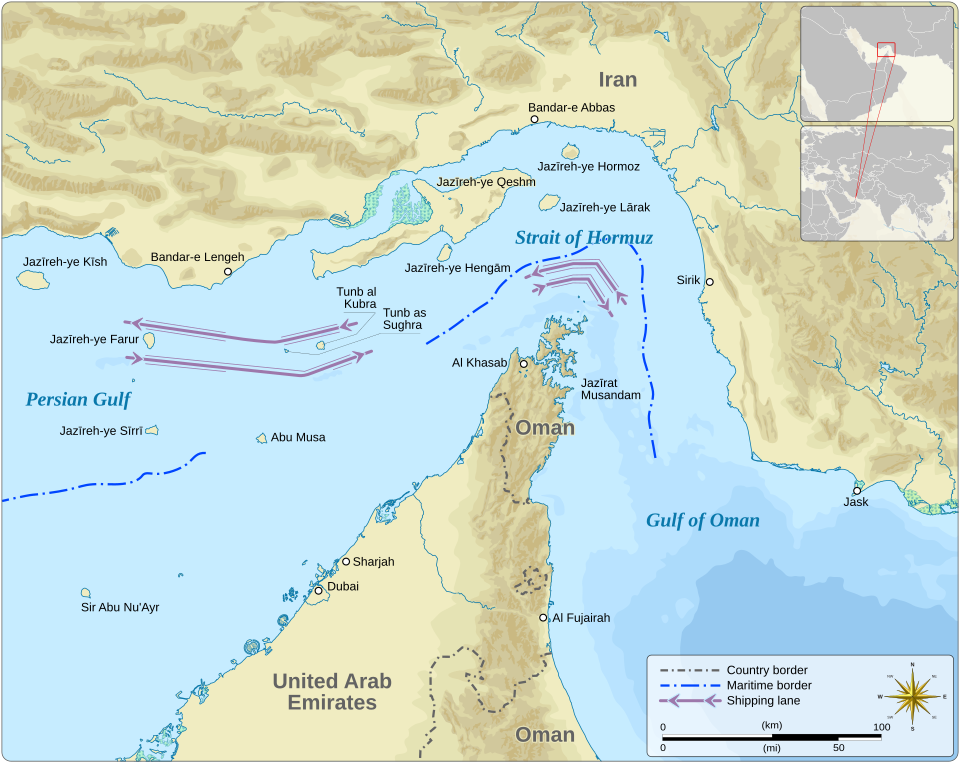
Iran insisted on its sovereign right to control Hormuz - it claimed it would allow the traffic through the Strait to resume to its previous levels, but that it would NOT relinquish its control over it and therefore its right to collect tolls for safe passage or “services”.
Israel refused to implement a ceasefire with Lebanon, insisting instead on language that would permit it to continue attacking Lebanon’s Hezbollah.
Iran demanded the speedy release of its frozen assets. The Americans want to continue to hold this as leverage over Iran to get concessions over the nuclear issue.
