
Commercial topics: The Americans’ Economic D-Day against Iran and the role of China; global financial markets; Iran’s economic escalation options; the risk of the war resuming, the Israeli obstacle to a new Iran-USA deal.
We have long maintained an out of consensus position - namely, that Iran and the USA are natural allies, with Israel under its current extremist leadership being the only complication. However, although the Islamic Revolution gained a new lease on life through the American and Israeli attacks against it, certain realities still stand:
The hope of the Islamic Revolution to lead the Muslim world is dead. Rather, Iran now faces a coalition of Sunni powers surrounding it. The Pakistan-Turkey-Saudi Arabia alliance is the major threat to Iran.
The strategic interests of Iran and Israel are mostly, but not entirely, aligned. They both need to check the Sunni powers rather than fight each other, with Hezbollah in Lebanon at least as concerned with the Syrian Sunni threat emanating from the Golani/Shara’a-government as it is with the Israeli threat.
The Iranians fought this war the USA with pure nationalist pragmatism - they did not attack the Israelis except when the Israelis attacked them. This was surprisingly un-ideological.
Rather, the Iranians focussed almost entirely on dominating the Persian Gulf, with the Levant being a sideshow. They did not even escalate that dramatically in Iraq - they focussed on defeating the Kurdish ground infiltration threat in Iraq and on maintaining their grip, but not on escalation. The Iranians didn’t even try to collapse the Jordanian economy with some decisive strikes against Aqaba Port or Amman International Airport, which are well within their capabilities. Collapsing Jordan’s economy in that way would have destabilised the Jordanian economy, and subsequently the Jordanian monarchy, paving the way for a Muslim Brotherhood government deeply hostile to Israel and posing an existential threat along Israel’s longest border.
The Iranian focus was mainly on expanding their strategic depth in the Persian Gulf and dominating the southern bank of the Gulf. This is nationalist geopolitics, not Islamic revolutionary or utopian geopolitics.
The Israel problem
However, Israel is a major obstacle here. Although David Ben Gurion, the de-facto founder of Israel, had always had hopes of future territorial expansion, he was a realist, and was able to work with countries like Jordan while accepting the pre-1967 borders of the state of Israel. His successors, including the British-designated terrorist who became Prime Minister, Menachem Begin, were able to work with the Egyptians and build relations with other Arab states. These leaders understood what Israel could and could not do, and were not as constrained by pressures from a fanatical right wing flank in their foreign policy.
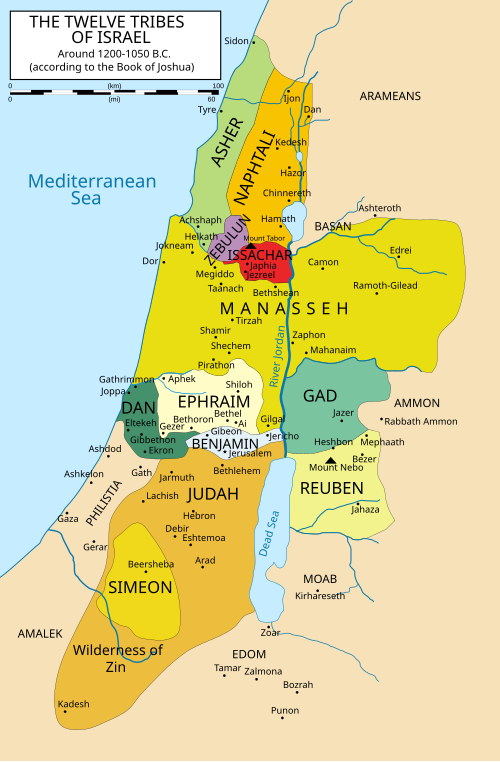
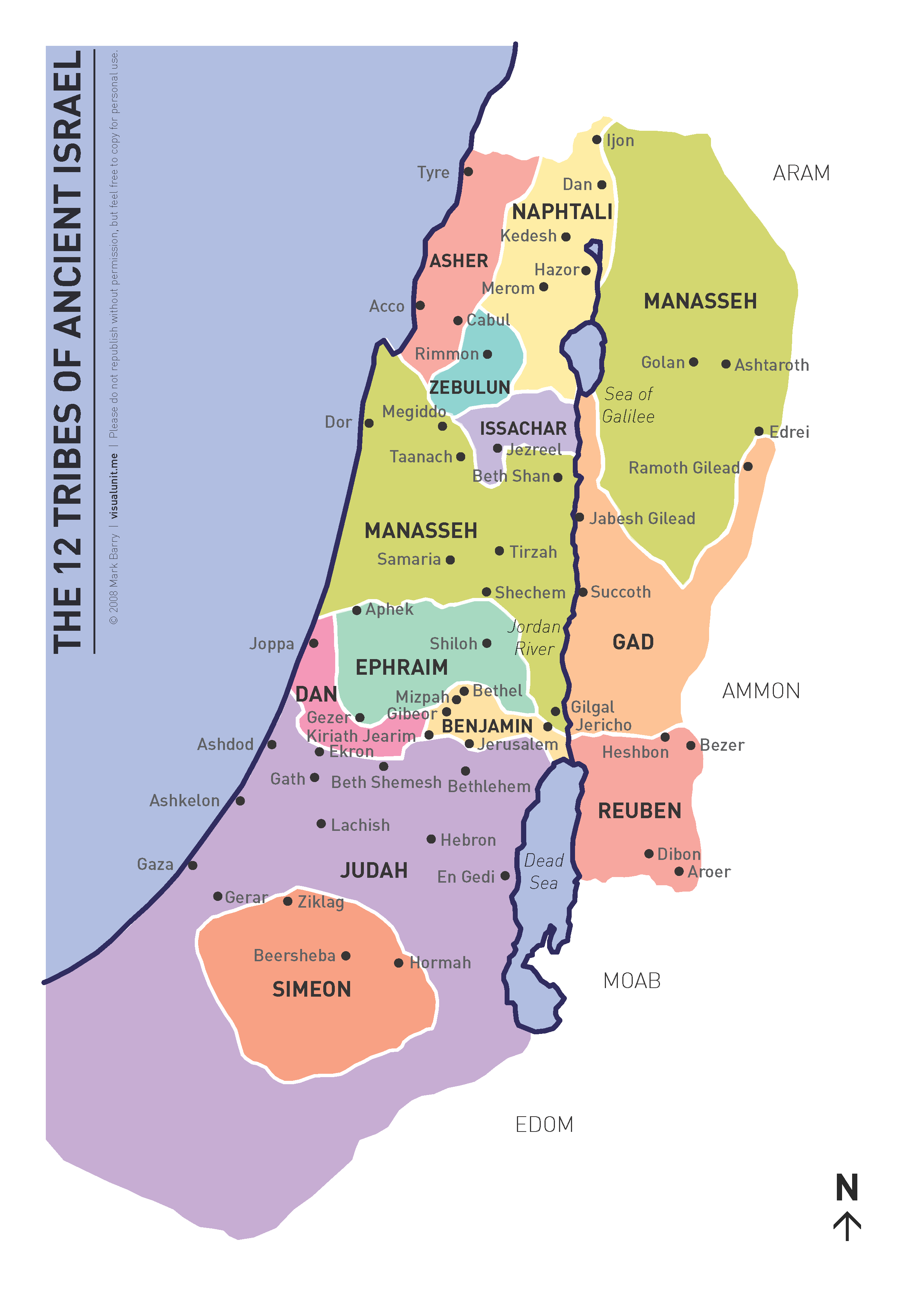
By contrast, modern Israeli politics revolves around appeasing various strands of religious fanaticism, who, despite wide divergences, broadly share an extreme, expansionist agenda that prevents the least compromises with their neighbours. Therefore, the Israelis are likely to insist on continuing to hold Shia-majority territories in southern Lebanon, making any Iranian-American deal too politically embarrassing for the Iranians. Parts of the Israeli right are also adamant that Iran must be defeated fully ahead of a future putative war against Turkey and Egypt (and Jordan), intended to achieve the Biblical Israel or Greater Israel project. It is worth commenting on how extreme this is: the Israelis think they can take on a NATO member and the leader of the Sunni Muslim world, which is allied with nuclear-armed Pakistan and religious powerhouse Saudi Arabia, as well as the 120-million Egyptians. These are the strategies of fanatics and fantasists.
The economic imperative
Both Iran and the USA are reaching dangerous economic territories.
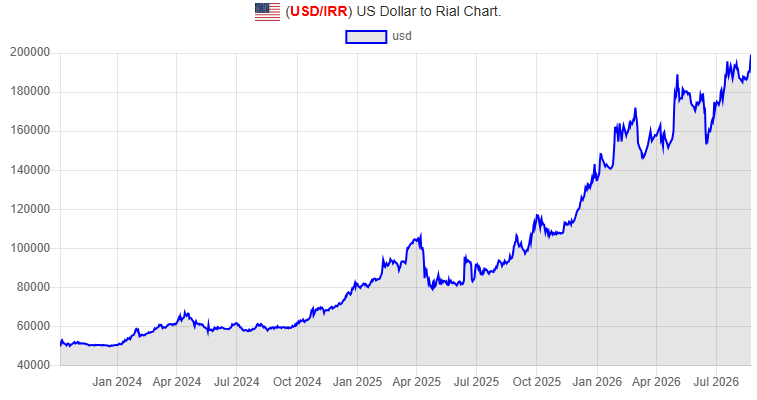
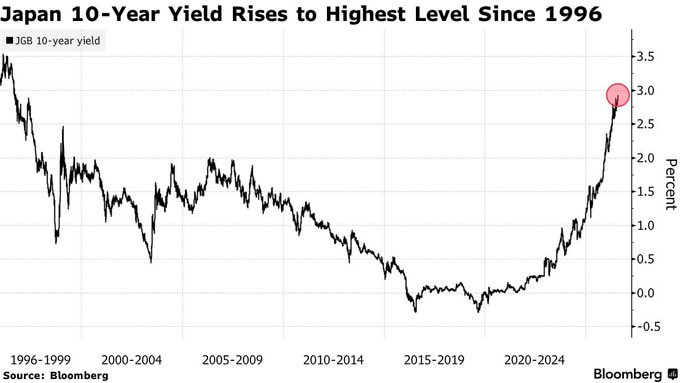
The Americans are now desperate. They are declaring a total economic war against Iran, with the aim of completely destroying the Iranian economy. However, they are doing this at a time when long term yields are surging, the Japanese yen is weakening, and confidence in the US Treasury and Federal Reserve’s ability to manage the market is low, as shown by the ineffectiveness of the interventions they undertook over the past week to manage the yield curve and shore up the yen.
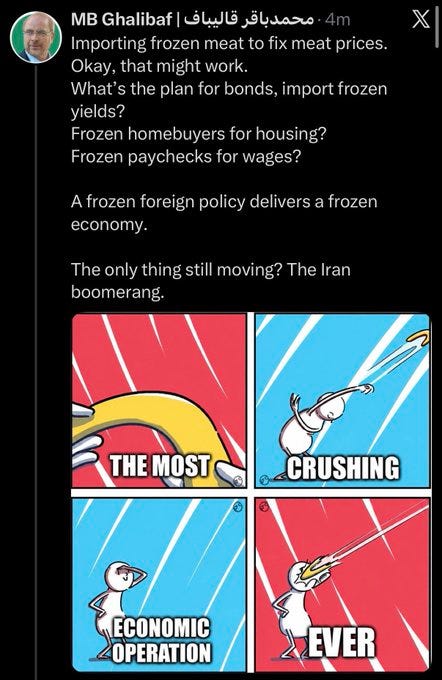
The Iranians themselves have been noticing this, with even Parliament Speaker and Chief Negotiator Mohammad Bagher Ghalibaf getting in on the meme game. The two sides are betting that the other’s economy will break before theirs does. But the simple reality is this: the Iranians, like Saddam Hussein and Bashar al-Assad, can starve their people if needed, and use the shortages to reward loyalty and punish dissent more effectively, thereby strengthening the regime’s grip. The Americans cannot match this.
