
The Iranians only have the Samson Option
And neither side has a way out.
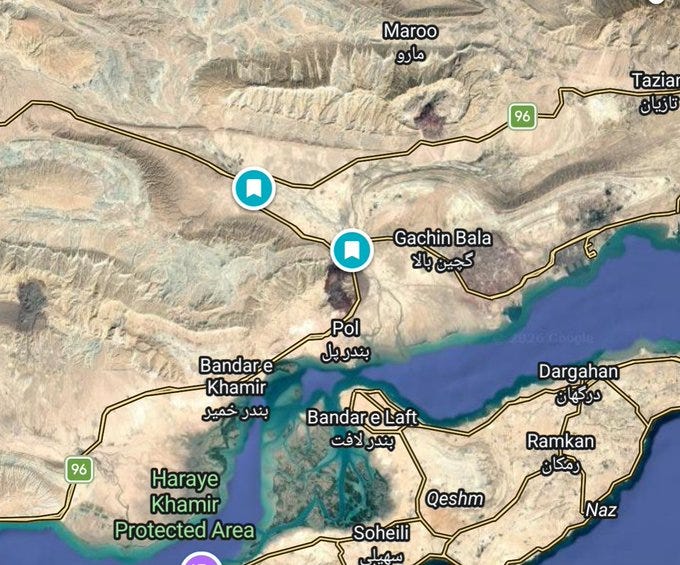
The Americans have conducted strikes on Iran on 16 July intended to disable Chabahar Port near the Pakistani border and to isolate Bandar Abbas on the Strait of Hormuz, thereby cutting off Iranian shipping and potentially paving the way for a ground operation against Iranian islands in the Strait as well as weakening Iran’s ability to target ships in Hormuz. Iran retaliated with attacks on Oman, Kuwait, Bahrain, Jordan, Qatar, and Syria, intended to disable American radars, inflict casualties, strike ammunition storage, and destroy HIMARs tactical ballistic missile launchers.
No victory
Neither the Americans nor the Iranians have a pathway to victory.
The Americans cannot invade Iran and topple the regime. They can reduce Iranian fire, but they cannot prevent Iran from attacking ships, firing one way attack drones, or damaging energy infrastructure. They most certainly cannot secure the waters between Kuwait and Pakistan. But they can raise the cost on Iran.
The Iranians, for their part, also cannot win. They are unable to strike the American mainland, nor can they damage American military industrial output. They can raise the cost to the USA, and to the global economy, but they cannot win.
The war has to end with either a negotiated settlement, or with the long term normalisation of attacks on energy, transport, and infrastructure throughout the Persian Gulf. However, neither side has any confidence that the other side would honestly implement any agreement.
No way out
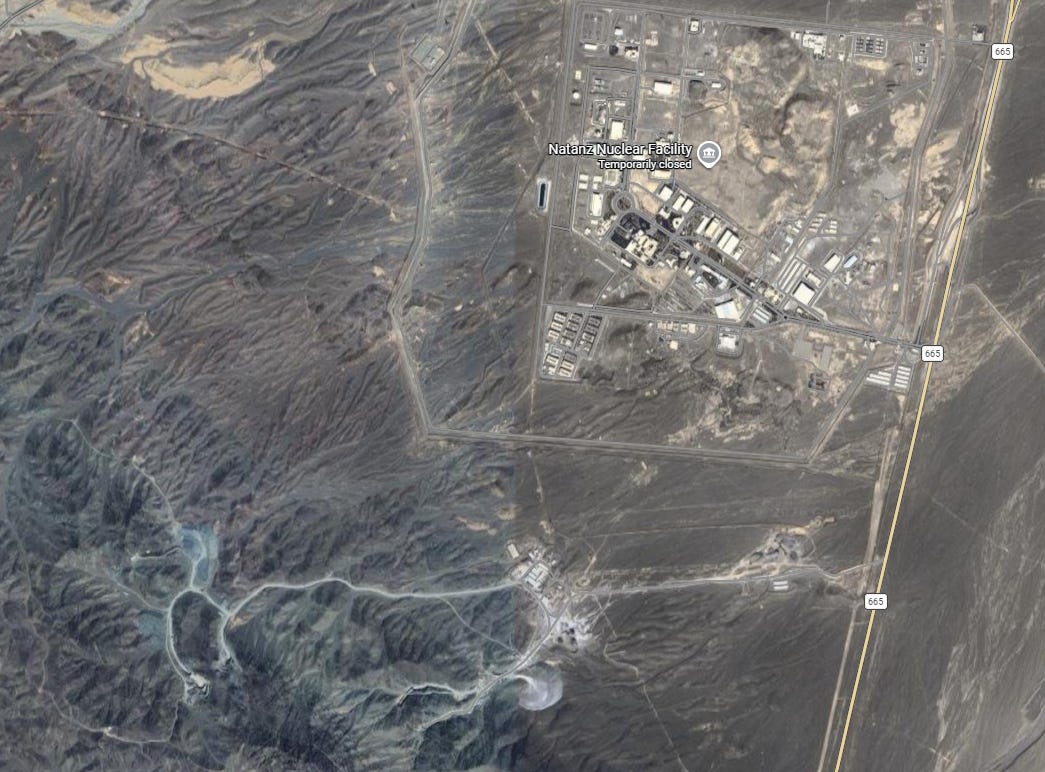
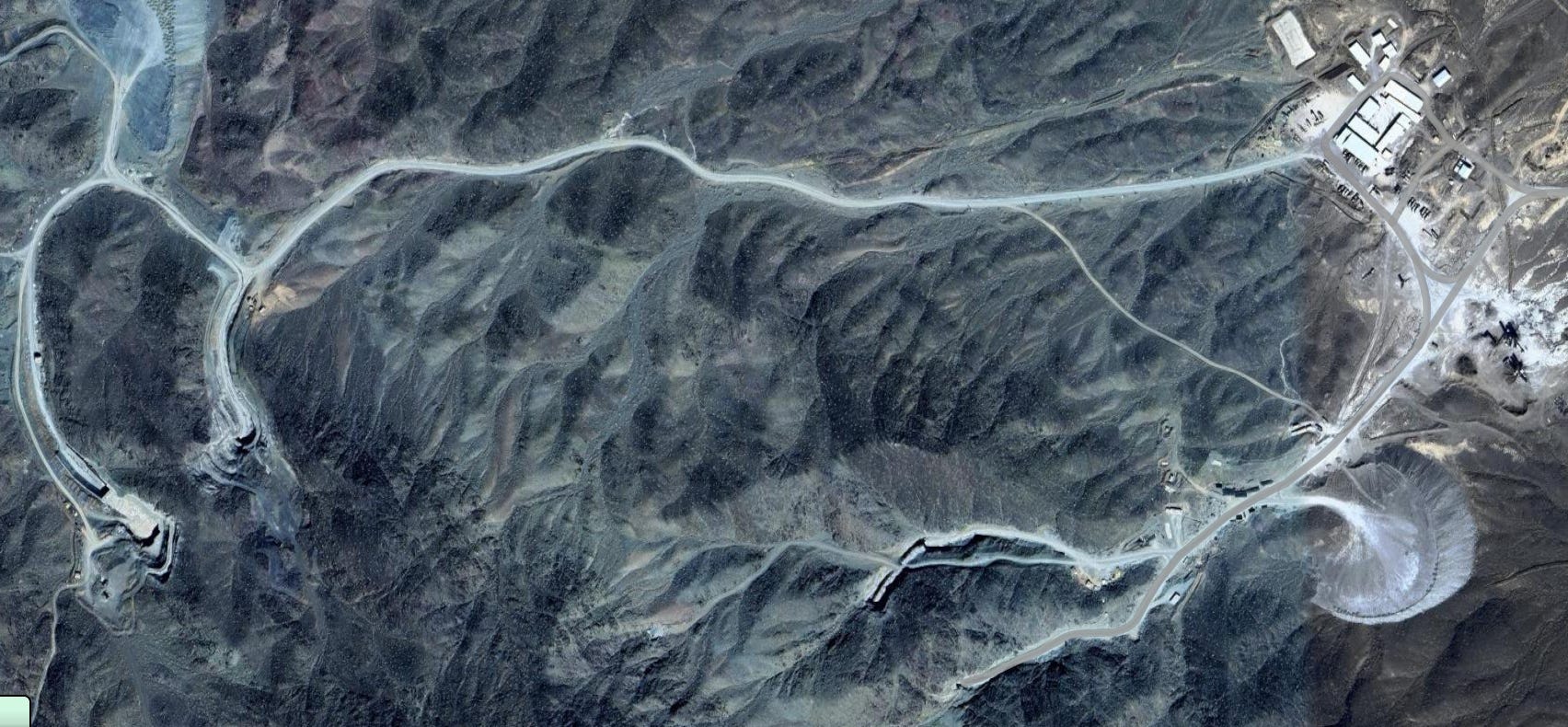
On the other hand, neither side has an exit strategy: given that Iran still has enrichment facilities near Natanz in the Pickaxe Mountain, and that it still has enriched uranium, the Americans fear that leaving without a deal would result in Iran acquiring a nuclear weapon. And for the Iranians, releasing their grip on Hormuz would end their leverage on the United States. They cannot tolerate a pathway through Hormuz via Omani territory. A deal is the only way out, but, the regime fears that a deal that does not allow them to control Hormuz, or that is followed by several years of developing oil resources elsewhere, will again bring American attacks on their territory. On the other hand, allowing Iran to control Hormuz leaves it as the regional power in control of the GCC, especially with the Houthis’ position in Yemen. The Americans cannot tolerate giving Iran that much regional power.
Increasingly, the Iranians will view acquiring a nuclear weapon as the only way to ensure regime survival. Only a deal can stop them doing that, but they cannot trust the Americans to implement any deal, as we discussed in a previous piece:

Timing
When the Iranians resumed attacks on shipping on 7 July, they knew perfectly well that this would lead to a broad American response. They went for it anyway. They are clearly betting that the low levels of oil inventories would force the Americans’ hand. And they have some good reasons to believe that. The Strategic Petroleum Reserve (SPR) in the USA is at a 43-year low. That said, there are around 250 million barrels that could be released. At a rate of 1 million to 1.5 million barrels released per day, this should last for another 5-8 months. Moreover, of the initial IEA initially promised release of 426 million barrels, only 220 million have been released. The total IEA stock is around 1.2 billion barrels in governments’ hands (excluding China, including the SPR). Another 600 million barrels is in private hands, but under government mandate (meaning that governments have authority over them). Oil production outside OPEC has also increased, albeit nowhere near as much as has been lost due to the Iranian blockade, but, apparently enough to keep oil prices at manageable levels. The big limitation on this, however, is that the spread that refiners make from producing two barrels of gasoline and one barrel of diesel out of three barrels of oil (so called 3-2-1 crack spread) is $70, indicating that oil product prices are moving in a way that is completely out of whack with the price of oil. This suggests that there is some financial manipulation by the Federal Reserve of the price of oil.
Therefore, there is room for several months of fighting.
