
The Iranians warn of the Samson Option.
The Iranians are going straight for civilian targets in the Gulf, including closing Hormuz, but are not yet attacking energy infrastructure.
In response to American and Israeli attacks, and rather than avoid civilian targets, as we had expected, the Iranians escalated massively against the GCC, not just Israel, with the aim of maximising pressure on Gulf Arab states, so that they in turn would pressure the USA to end the war. The Iranians attacked Cyprus, though it is not clear if they hit or were intercepted.
Attacks on the Gulf
After Israel, the UAE has suffered the brunt of Iranian targeting, with around 165 missiles and over 500 drones used against it, though most were intercepted. The UAE is a priority for Iran given that it is the business centre of the region, and most foreign businesses have a presence there. Paralysing the UAE paralyses the entire region, and places pressure from American businesses and local governments on the American government to end the war. Bahrain, Qatar, and Kuwait have also been severely targeted, as has Saudi Arabia. Reporting on open sources suggests Iran has fired over 400 missiles and almost 300 drones in the first day of the war. This compares with a total of 550 missiles on Israel for the duration of the 12 Day War.
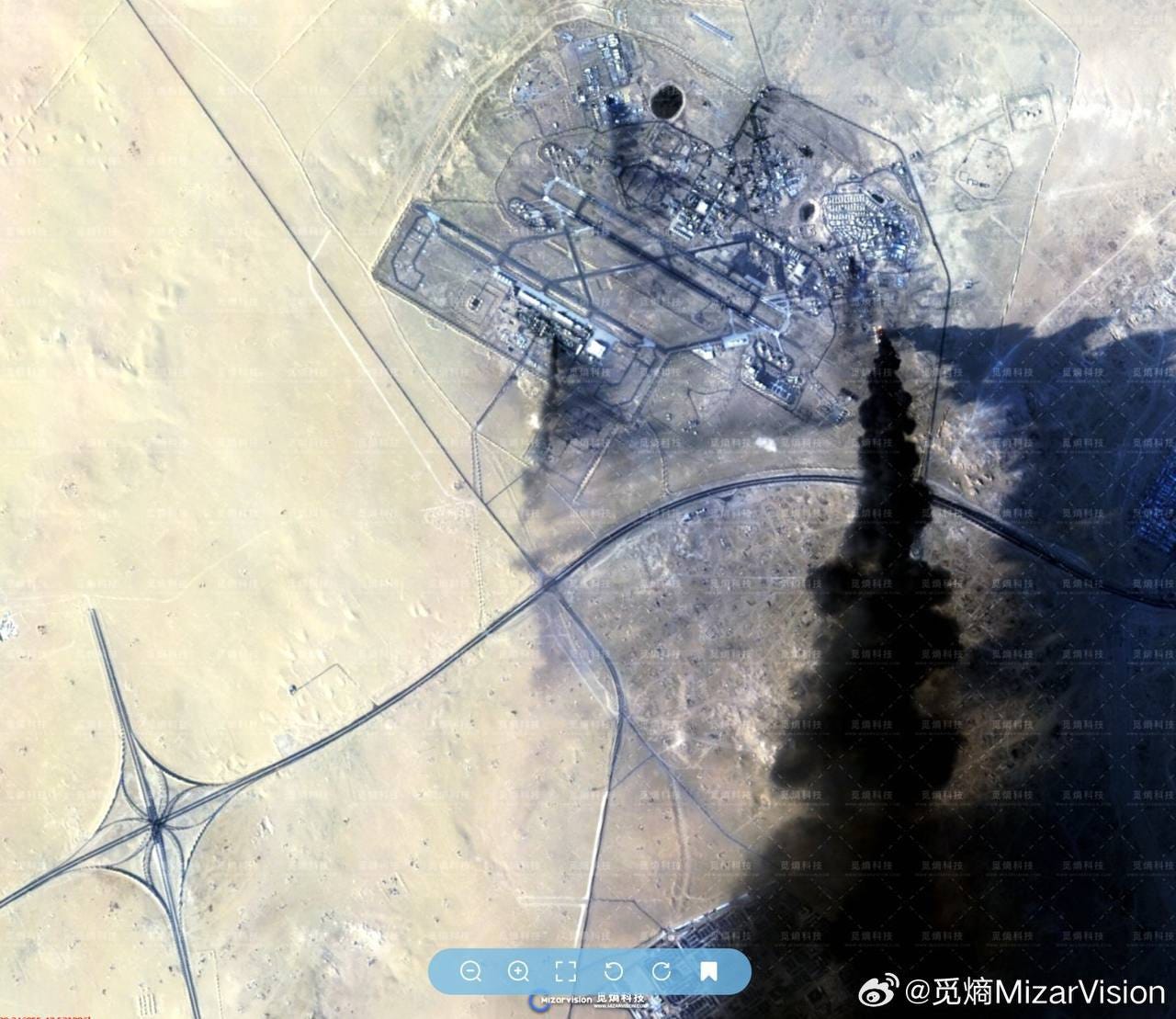
The Iranians struck American military bases, and, crucially, radars throughout the GCC, though it is unclear how badly damaged the bases and radars were. The Iranians also struck Dubai’s Jebel Ali Port, Oman’s Duqm Port, and the Naval Support Centre in Bahrain, which all provide logistics support to the USA. They are therefore dual use, rather than purely civilian, targets.
The Iranians also struck civilian targets in the GCC, albeit it seems largely symbolically. Burj Khalifa (or its vicinity) in Dubai, as well a location in the Palm Jumeirah, potentially the Fairmont Hotel, and Dubai International Airport, were attacked with drones, as was Kuwait’s international airport, a tower in Manama, Bahrain, an unconfirmed asset in Eastern Province, locations in Abu Dhabi and Doha, and others. There are unconfirmed reports that the building in Bahrain hosted American personnel.
Critically, there are large numbers of Iranians in the UAE, and of Shi’a in Saudi Arabia, Bahrain, and other Arab Gulf states. This allows Iran to conduct significant intelligence collection. Meaning that the movements of American advisors and personnel could be tracked, and locations they operate in to be targeted. Furthermore, from previous strikes, we know that the Iranians have excellent intelligence on regional infrastructure, including detailed knowledge of critical nodes.
The Israeli front
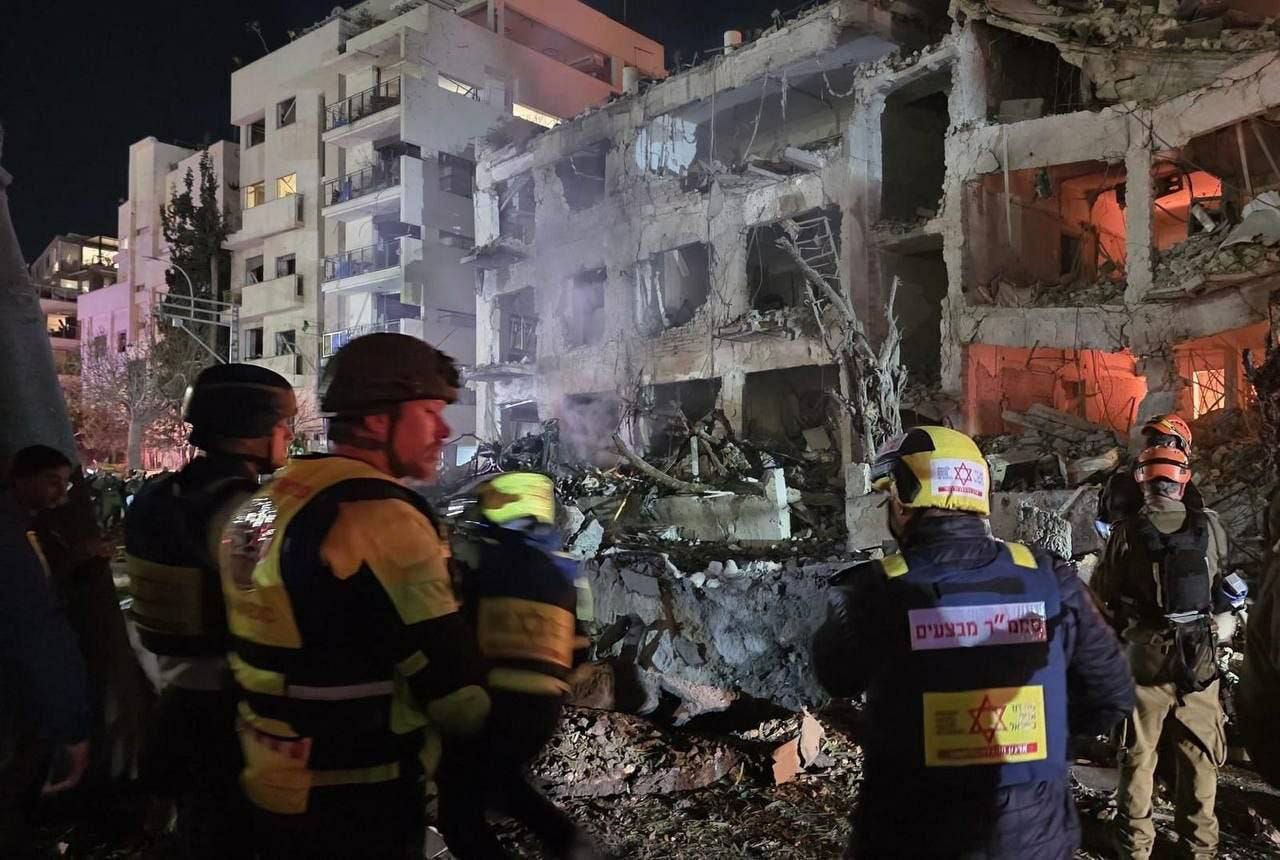
The Iranians have fired at least 200 missiles into Israel already. There have been numerous impacts in central Israel. One report claimed that Sorek, Israel’s biggest desalination plant, was hit. The plant supplies 20% of Israel’s water needs. Some footage shows what appears to be completely wiped out buildings in Tel Aviv and Jerusalem, suggesting failure of interceptions. Israel has a small number of very high value infrastructure targets. If the Iranians target those effectively, the Israelis will have to seek an end to the war, or so the Iranians believe. Given the deployment of tankers to Ben Gurion Airport, it is almost certain to be targeted. However, the picture from within Israel is muddied by extremely strong censorship laws that prevent the full picture from emerging.
Shipping and proxies
On 28 February, ships in the Persian Gulf reported receiving a transmission from the Islamic Revolution Guards Corps that the Strait of Hormuz was shut. On 1 March, one tanker from Palau was hit. The Houthi in Yemen have not yet announced that they were shutting down the Bab al-Mandab Strait, though this is likely the next pressure point. Additionally, Hezbollah expressed its solidarity with Iran, but has not yet joined the war. Iraqi militia Awliya al-Damm, a front organisation for Iranian proxies, said it would launch attacks on all American bases in and outside Iraq. There have been attacks but the exact locations are not yet clear.
Iran’s logic
Iran’s objective is to force the states Gulf to expel American bases and personnel from their territories, including by triggering a major economic crisis in these countries through strangling their shipping. At the very least, this is intended to cause these countries to place pressure on the USA to end the war quickly. The focus on the UAE in particular is intended to exploit their closeness to Israel and use that as a pressure point. The shutdown in shipping in Hormuz and potentially Bab al-Mandab is also certain to trigger a major oil shock in the global economy, again contributing to pressure on the USA to end the war quickly.
The regime’s grip on power
In Iran, the situation is disastrous for the regime. Its top military leadership has been wiped out, severely weakening its grip on power, even though, officially, all the men who were killed have been replaced. These men are selected for ideological loyalty, not just competence. The echelons below them may be less committed to the system than they. Especially as the Supreme Leader Ali Khamenei himself has been killed in the first hours of the war. Millions have already turned out on the streets in support of Khamenei, even as there are some protests celebrating his death. The regime remains strong, though it has many domestic enemies.
Khamenei has been replaced by a triumvirate in accordance with the constitution, including one of his closest allies, hardline cleric Alireza Arafi, the elected President Pezeshkian, and the head of the judiciary, Gholam Mohseni-Eje’i. This suggests that the regime retains its hardline stance. However, with much power in the hands of Ali Larijani, there is a possibility for negotiations. Larijani, who has a background in the IRGC, is considered part of a more moderate faction, and he is in charge of many of Khamenei’s responsibilities. Through his brothers, he is tied both to the hardline factions, the Expediency Council, and other centres of power. This gives him enormous flexibility to negotiate.
The key questions are whether the USA and Israel can continue going down the leadership chain, and whether the existing Iranian plan to de-centralise command, prepare four successors for each leader, and therefore keep fighting, will succeed. Iran has a robust plan on paper. However, no military force can survive continuous decapitation strikes, as this shows an intelligence penetration that paralyses all its other activities.
Moreover, Iran is getting hit repeatedly, with no evidence of a functional air defence, beyond the ability to down drones. The Iranians have claimed to have shot down jets, but provided no evidence as of yet. Rather, it seems that the Americans and Israelis have freedom of actions over Iranian airspace.
Commercial Impact:
The Iranians have always aimed for gradual escalation. Our view, therefore, is that the Iranians are now signalling their intent through drone attacks on the Gulf, rather than going all out from the start. This suggests that they will go up the value chain in the Gulf, while also escalating the types of munitions they use.
The Iranians will therefore shift from targets such as hotels to hit higher value infrastructure targets, such as power plants, ports, airports, and desalination plants in the Gulf, as the war escalates. The Iranians have escalation dominance as they have decided they have nothing to lose.
Attacks on shipping are likely to escalate. The aim is to create a large enough crisis to put pressure on the USA to end the war. Already, there are reports that marine traffic is down 70% in the Gulf. This suggests that some food shortages - probably not in grains, but in higher end foods - would be very likely within a month at most, perhaps less.
In the event that the Iranians target power infrastructure, this would trigger a major humanitarian disaster in the region. The Iranians have not threatened to do this, but, as they grow more desperate, they would be more likely to take such actions.
