
Why the Americans paused
Why they will start again, or restrict their own oil exports.
Commercial topics: Future attacks on energy, risk of even greater oil market disruption, economic risks, and the
The Americans paused the war on Iran unilaterally for four reasons:
They are low on interceptors.
They remain deterred by Iranian capabilities.
They know that further bombing of Iranian assets used to control Hormuz would be ineffective, leaving them a choice between massive escalation and a pause.
Oil prices went up too much.
Trump wants diplomacy to work - we have repeatedly asserted that he wants out of the war, and every indication suggests that. However, the tragic reality is that he cannot, unless he accepts Iranian control over Hormuz. Iranian control over Hormuz, however, would lead to Iran dominating 20% of global oil exports. With that, it could levy fees on shipping that significantly improve its economy, and it could become the dominant player in oil markets in partnership with Russia. Given the US-China trade war and the sanctions regime on Russia and Iran, this would be a major win for the Chinese.
Simply, there is no way for the Americans to accept this. Unless they also accept that they are no longer a global empire, but an especially powerful regional empire on the retreat. The American establishment is unwilling to even consider this view, though it is evidently more realistic. The establishment will fight to avoid this recognition.
The Iranians, as usual, are pressing their advantage. Rather than attempting to reach a compromise, there was an attack on Saudi Arabia’s Abqaiq and a pumping station on the East West pipeline on 27 July, most likely by the Islamic Revolution Guards Corps operating via Iraqi militias and Yemen’s Houthi movement, as the Saudi government alleges. Abqaiq is Saudi Arabia’s main oil processing facility, and is a critical component in its oil export infrastructure. The facility remains on fire.
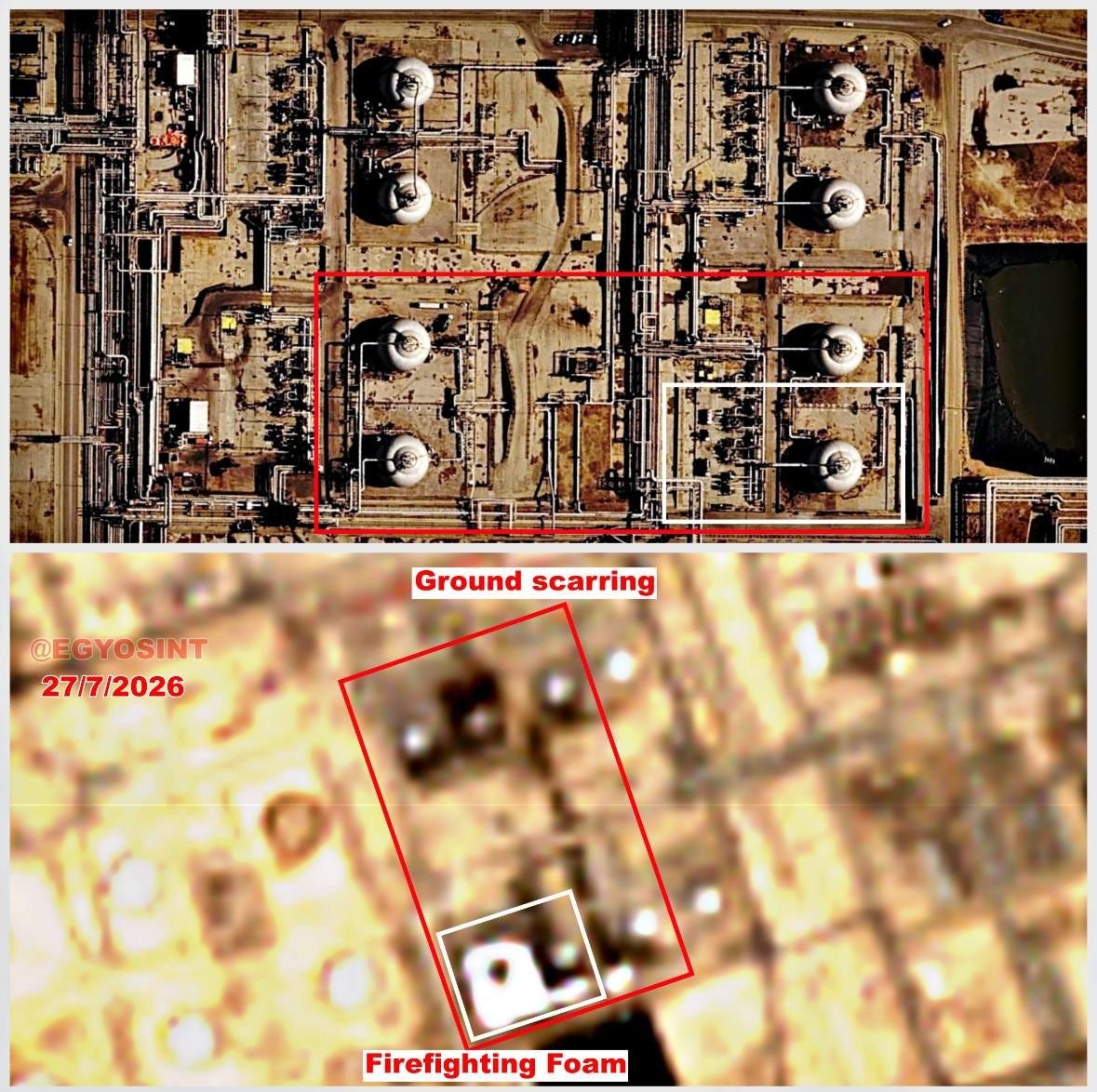
Critically, the American thinking right now is binary: they are planning either for a massive escalation, with attacks on Iranian infrastructure that trigger a widespread response, or they slow down and negotiate. The current policy of focussing on Iranian military targets has failed, by the admission of Chief of the Joint Chiefs of Staff General Dan Caine.
