
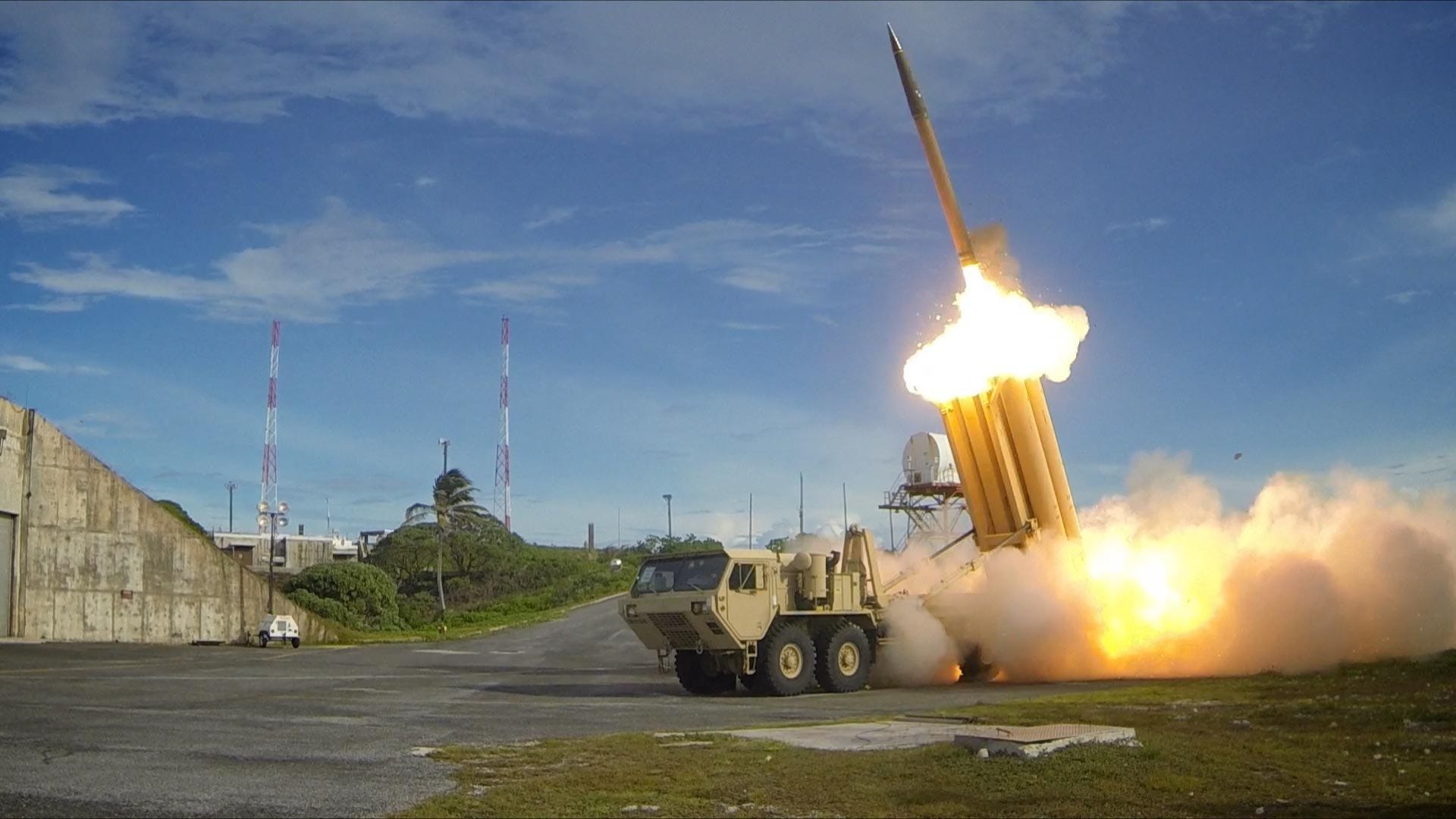
American aircraft carrier Abraham Lincoln and its carrier strike group are close to arriving in the Arabian Sea, having crossed the Strait of Malacca. Meanwhile, American aerial refuelling tankers are moving, with ten of them heading to the Middle East and Europe as of the time of this writing. There are also reports of air defence systems - THAAD and Patriot - being moved to prepare for conflict.
There are two possibilities here:
The Americans are constantly moving their military equipment to maintain pressure on the Iranians. This strengthens the American positions in the negotiations, which are intended to facilitate Iran’s transition from an Islamic revolutionary state to a nationalist state.
The Americans aim to force the Iranians to maintain a state of readiness until they’re exhausted, and to eventually render them complacent. This would make it easier to strike the Iranians with a surprise attack.
It is impossible to read Trump’s mind. His style is to maintain enormous pressure and to use force sparingly in a way that guarantees clear wins. With Iran, it is much harder to score a clear or quick win. Rather, if this became a long war, the USA would have to decimate the Iranian economy, risk chaos in the Persian Gulf and the Strait of Hormuz, and face repeated attacks against its Middle East bases.


What we could see, however, is a prolonged war in the Middle East while Trump escalates against his domestic enemies and against Europe, using domestic wins to cover up casualties abroad, and wins abroad to cover up domestic failures. The Americans would use their power to instigate chaos in Europe and the Middle East, while Trump escalates against the Democrats by invoking the Insurrection Act against states that refuse to cooperate with Immigration and Customs enforcement. This is similar to what Mohammad bin Salman did to successfully consolidate over Saudi Arabia between 2015 and 2018.
We will cover these issues in our upcoming webinars on 27 January and 4 February, and in future pieces. Please follow the links below to register using your work email.
27 January 2026 at 10:00 am UK Time
04 February 2026 at 3:00 pm UK Time
