
Managed or uncontrolled escalation?
The war is about to restart. But what kind of war?
Commercial topics: Why Operation Freedom will fail, risks for ships in the Persian Gulf, risks to ships traversing the Strait, the likelihood of further escalation.
On 3 May, American President Donald Trump announced Operation Freedom to re-open the Hormuz Strait. The operation is intended to allow ships to go through Hormuz via Omani waters, rather than through the normal lane or through Iranian territories.
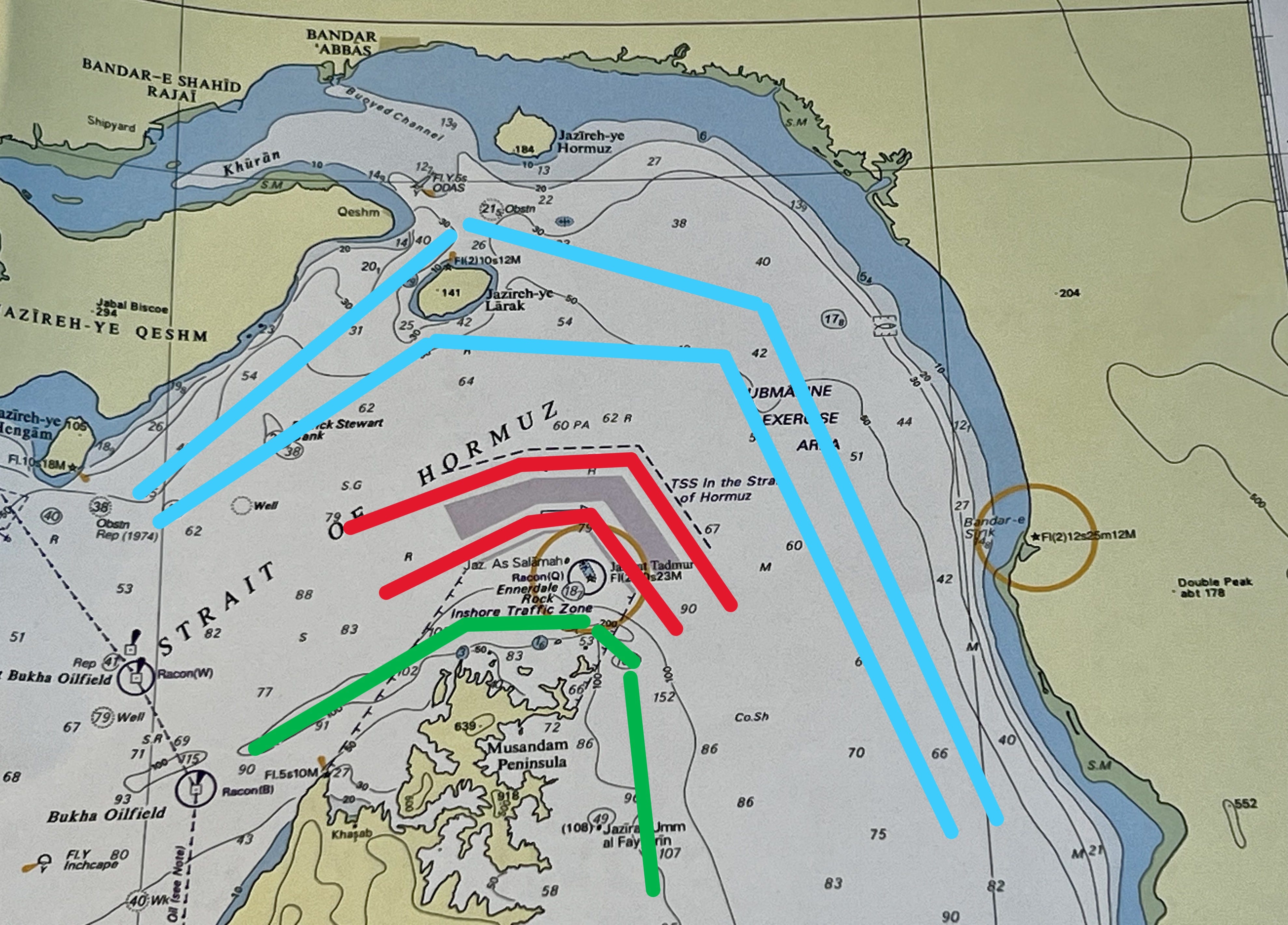
On 4 May, The Iranians then warned that any American ships that entered the Strait would be attacked. This came while negotiations continued, with Iran and the USA exchanging proposals and counterproposals. Iran then announced that it had targeted an American warship and prevented its passage, with the USA denying that any ships were hit and claiming that its ships did traverse the Strait. A South Korean, Panama-flagged cargo ship, HMM Namu, was then struck. The UAE then announced that it had intercepted drones fired by Iran. Afterwards, satellite imagery and social media posts showed a major fire at Fujairah oil export terminal, used to bypass Hormuz. The USA announced it had sunk six Iranian small boats, and shot down Iranian-launched missiles and drones. Trump then made a series of threats against Iran, as did social media figures close to Emirati decision makers. On 5 May, reports of limited airstrikes in Iran emerged, including in Bushehr and Bandar Abbas.
Over the course of 4 May, two American Merchant Marine vessels transited through the Strait (though Iranian sources are disputing this claim - it is too soon to say with certainty).
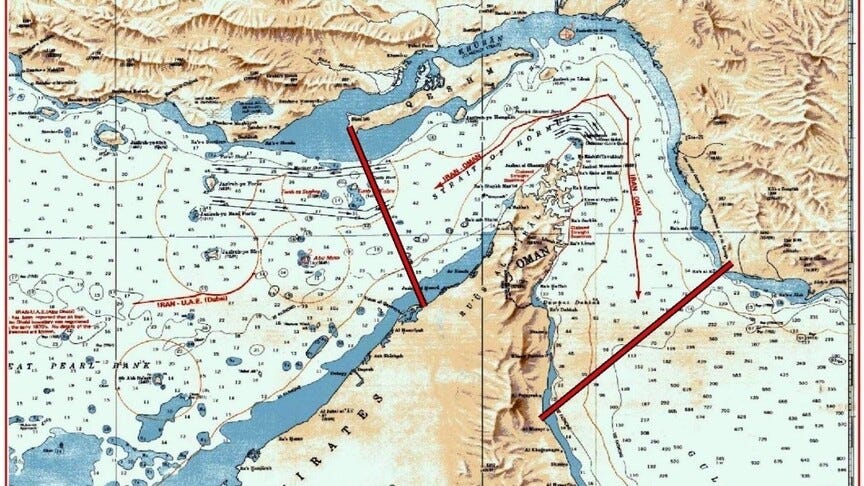
The Americans are trying to signal that the Strait is open and to establish a mechanism by which Iran’s blockade can be loosened, without giving up their own counterblockade on Iran. That is the upper limit of what they can achieve. The US’ aim is to allow the American blockade on Iran to last longer and limit the Iranian blockade on the Persian Gulf’s impact on the global economy, by permitting some transits, less than normal but above the current rate.
That said, the Iranians, despite the American blockade, are still managing to get some of their ships out by going through Pakistani and then Indian territorial waters, albeit at far lower levels than normal. The Iranians have also activated various border crossings with Pakistan and other neighbouring countries to lessen the impact of the American blockade. These do not nullify the blockade’s impact, but allow Iran to adapt over the long term, just as other countries are trying to adapt.
As discussed earlier, there is little hope of a blockade on Iran succeeding in collapsing the regime and forcing major concessions, especially in the short term. With Iran under attack, it has more incentive than ever to retain a nuclear option, requiring the retention of a nuclear programme. Moreover, it has always been a matter of national pride of Iran, its ticket into becoming a major regional and potentially global player.

